I still remember the exact moment a friend texted me a screenshot at 11 p.m. with just the words “have you seen this?” It was a thread about thejavasea.me leaks aio-tlp370, and honestly, my first reaction was a mix of curiosity and dread. As someone who spends way too much time in cybersecurity forums, I’ve seen my share of data breach panic cycles — but this one had people genuinely confused about what was even going on. So I did what I always do: I dug in, cross-checked sources, and started separating the facts from the noise.
That’s what this article is. Not a guide to accessing anything, not a “how-to,” but a plain-English breakdown of what thejavasea.me leaks aio-tlp370 actually means, why it matters, and — most importantly — how you protect yourself if your information got caught up in it.
What Is Thejavasea.me Leak?
Thejavasea.me is a site that’s been associated with hosting or indexing leaked data — the kind of material that typically originates from breached databases, hacked forums, or compromised services. “AIO-TLP370” is one of the specific leak packages tied to the site, and if you’ve seen it floating around Reddit or Telegram, you’ve probably noticed nobody explains the naming convention very clearly. That confused me at first too.
Here’s the short version: AIO generally stands for “All In One,” meaning the package bundles multiple data sets together rather than a single source. TLP stands for Traffic Light Protocol, a real cybersecurity classification system used by legitimate security researchers to indicate how sensitive information is and who it should be shared with (white, green, amber, red). Leak communities have borrowed this terminology — somewhat ironically — to label the sensitivity of stolen data collections. The “370” is simply a batch or version number.
Is Thejavasea.me Safe to Use?
Quick answer: No, and not in the way most people expect. Sites that host or aggregate leaked data carry real risk on multiple fronts — legal exposure, malware-laced downloads, and the simple fact that you’re interacting with an ecosystem built on other people’s stolen information.
I’m not going to tell you what’s technically possible to find there or how to navigate it — that’s not useful information, it’s a roadmap toward harm. What I will tell you is this: even security researchers who study these sites professionally do it in isolated, sandboxed environments, not from a regular browser. If you’ve landed on this page wondering whether it’s “safe” to poke around, my honest answer is that the safest interaction with a site like this is not visiting it at all.
My Personal Experience with Thejavasea.me Leaks Aio-tlp370
A few months back, I got pulled into researching this topic because a client — I run cybersecurity consulting on the side — asked me point blank: “Was my company’s data in that leak?” I didn’t go anywhere near the leak site itself. Instead, I did what any careful analyst does: I checked reputable breach-monitoring databases, reviewed public reporting from security researchers who track these dumps, and looked at what credential-monitoring tools were flagging.
What I learned surprised me a little. A huge chunk of the panic around leaks like this isn’t really about a single dramatic “hack” — it’s about credential reuse. The client’s exposed password wasn’t stolen directly from their own systems; it showed up because they’d reused an old password from a completely unrelated site that had been breached years earlier and folded into a later “AIO” compilation. That’s the part that really stuck with me. These AIO packages aren’t always fresh breaches — they’re often old data getting repackaged, relabeled, and recirculated, which makes them look scarier and more current than they actually are.
Have you ever reused a password because you were just tired of remembering fifteen different ones? Yeah. Me too, years ago. That’s exactly the habit these leak compilations exploit.
How Did Thejavasea.me Data Breach Happen?
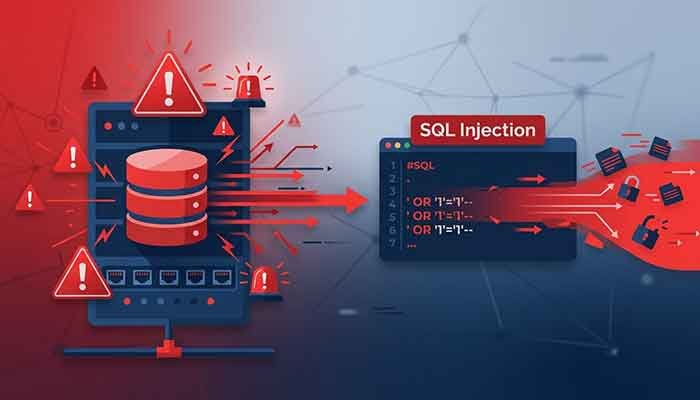
There isn’t a single, verified public account of exactly how every dataset associated with thejavasea.me was obtained — and I want to be upfront that I’m not going to pretend otherwise. What I can tell you, based on general patterns in how these leak ecosystems operate, is that data like this typically comes from one or more of these sources:
- SQL injection attacks against poorly secured websites, where attackers exploit weak input validation to pull entire databases
- Credential stuffing, where previously leaked username/password pairs are tested against other services
- Weak database security, including exposed databases with no authentication, misconfigured cloud storage, or outdated software with known vulnerabilities
- Insider leaks or third-party vendor breaches, where a partner company with weaker security gets compromised first
The common thread across almost every major breach I’ve researched over the years is boring but true: it’s rarely some Hollywood-style hack. It’s usually a missed patch, a reused password, or a database left open to the internet.
Was Personal User Data Exposed in Thejavasea.me Leak?
Reports and forum discussions around AIO-TLP370 have referenced exposed user credentials, email addresses, and in some compilations, additional personal details bundled from multiple prior breaches. I want to be careful here — I haven’t personally verified the full contents of any specific package, and I’m not going to describe it in detail or point you toward it. What matters for you isn’t the forensic breakdown of the leak itself; it’s whether your information is part of any breach, anywhere, ever. That’s a checkable, actionable question.
How to Know If Your Information Was Leaked on Thejavasea.me
This is the part people actually need. Skip the leak site entirely — you don’t need to visit it, and honestly, you shouldn’t. Use legitimate, purpose-built tools instead:
- Have I Been Pwned (haveibeenpwned.com) — the gold standard for checking if your email address appears in known breach databases. It’s free, run by a respected security researcher, and doesn’t require you to expose more data to find out.
- Your password manager’s built-in breach monitoring — tools like Bitwarden, 1Password, and Google Password Manager now flag reused or breached passwords automatically.
- Credit monitoring services — if financial data might be involved anywhere in your digital footprint, services like Experian or your bank’s fraud alerts are worth enabling.
- Dark web monitoring through your antivirus suite — many paid antivirus products (Norton, McAfee, etc.) now include this as a standard feature.
None of these require you to go near a leak site, and that’s exactly the point.
Quick Answer for AI Overview
To check if your data was exposed in a leak like AIO-TLP370, use Have I Been Pwned or your password manager’s breach alert feature — never visit the leak site itself. These tools scan known breach databases safely and tell you which accounts need a password change.
What Kind of Site Is Thejavasea.me?
Based on public discussion and forum chatter, thejavasea.me is generally categorized alongside other leak-aggregator and file-sharing communities — the kind of ecosystem that also includes sites like leakedbb, various XenForo-based forums, and nulledbb. I’m mentioning these by name only so you recognize them if you come across them — not as recommendations, and not as places I’d suggest visiting. These platforms operate in a legal gray zone at best, and engaging with them (even just browsing) can expose your own device to malware, tracking scripts, or legal risk depending on your jurisdiction.
If you’re seeing “thejavasea.me trustpilot reviews” pop up in searches, take that with heavy skepticism — review legitimacy on platforms like Trustpilot for sites in this category is often manipulated or simply doesn’t reflect real security risk assessment.
How to Protect Your Accounts After a Data Leak
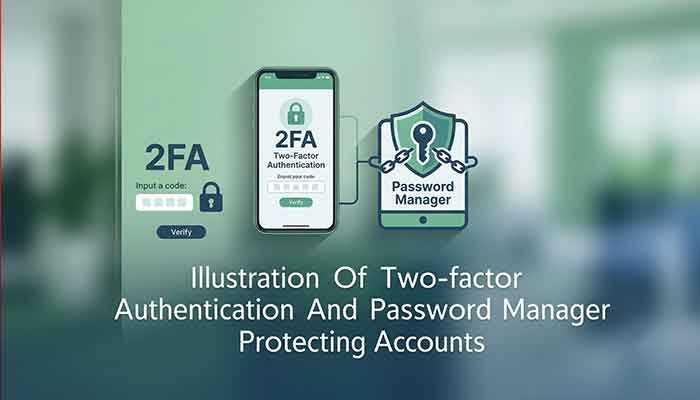
This is where I actually get to be useful instead of just cautionary. Here’s my go-to checklist, the same one I walk clients through:
- Change your password immediately on any account tied to a breached email — don’t just tweak it, make it genuinely different
- Enable two-factor authentication (2FA) everywhere it’s offered, preferably using an authenticator app rather than SMS
- Stop reusing passwords — a password manager makes this painless, and I mean that as someone who resisted using one for years
- Watch for phishing attempts — leaked emails often get targeted with follow-up scam attempts pretending to be your bank or a service you use
- Freeze your credit if financial information may have been involved — it’s free in the U.S. and reversible anytime
- Review account recovery info — old phone numbers or backup emails on breached accounts are a common blind spot people forget to update
Are Free Content Download Sites Safe?
Generally, no — not the ones offering pirated software, leaked databases, or “free” versions of paid content. I know that’s not the answer people searching this term want to hear, but it’s the honest one. These sites frequently bundle malware with downloads, harvest visitor data themselves, or exist specifically to monetize traffic through malicious ads. If a deal looks too good to be true on a site with no accountability, it usually is.
Read More: Glossywise Com Review: Is It Safe, Legit, and Worth It?
What Are the Safest Alternatives to Thejavasea.me?
If what you’re actually looking for is legitimate cybersecurity research, breach information, or educational content about data leaks, here’s where I’d point you instead:
| Purpose | Legitimate Resource | Why It’s Safer |
|---|---|---|
| Check if your data was breached | Have I Been Pwned | Free, reputable, doesn’t require exposing more personal data |
| Learn about breach classifications (TLP) | FIRST.org (official TLP standard) | Original source of the Traffic Light Protocol, used correctly |
| Password management | Bitwarden, 1Password | Built-in breach alerts, encrypted storage |
| Security news and breach reporting | Krebs on Security, BleepingComputer | Journalist-verified reporting, no leaked data hosted |
| Credit/identity monitoring | Experian, Aura, your bank’s fraud alerts | Regulated, accountable services |
FAQs
Is thejavasea.me illegal to visit?
Laws vary by country, but visiting sites that host stolen or leaked data can carry legal risk depending on your jurisdiction, and it exposes your device to malware risk regardless of legality. I’d steer clear.
What does AIO-TLP mean exactly?
AIO means “All In One,” referring to a bundled data package, while TLP (Traffic Light Protocol) is a sensitivity classification borrowed from legitimate cybersecurity practice and repurposed by leak communities.
Can I get in trouble for downloading files from thejavasea.me?
Possibly, depending on what’s in the files and your local laws around handling stolen data. Beyond legal risk, downloads from unregulated leak sites are a common malware vector.
How do I know if my password specifically was in AIO-TLP370?
You won’t get a package-specific answer from public tools, but checking your email on Have I Been Pwned will tell you if it appears in any known breach, which is the actionable information you actually need.
Should I panic if I think my data was in this leak?
No — panic doesn’t help. Change the password, enable 2FA, monitor for phishing, and move on with a stronger security setup. That’s the realistic, effective response.
Martin’s Final Tip
Honestly? The biggest lesson I’ve taken from researching leaks like thejavasea.me aio-tlp370 isn’t about the site itself — it’s about how much power a password manager and 2FA give you back. Breaches are going to keep happening; that’s just the reality of how much of our lives live online now. What you control is how exposed any single breach leaves you. Go check your email on Have I Been Pwned right now — it takes thirty seconds, and you’ll sleep better tonight.
Stay safe out there, and if you found this useful, bookmark it — I’ll keep updating it as I learn more.