I still remember the exact moment I sent my first freelance proposal. My hands were shaking, I re-read the message eleven times, and I hit “send” like I was defusing a bomb. Two days later — silence. No reply. Nothing. I genuinely thought freelancing wasn’t for me.
That was almost seven years ago. Since then, I’ve tried, broken, fixed, and rebuilt just about every part of the freelance process — platforms, pricing, contracts, you name it. So when people ask me for freelancing tips, I don’t give them theory. I give them what actually happened to me, because that first rejection taught me more than any course ever did.
If you’re just starting out and Googling “Freelancing Tips” at 1 a.m. wondering if this whole thing is even realistic, I get it. This guide is the one I wish someone had handed me back then — 30 tips, organized so you can actually use them, not just admire them.
My Personal Experience with Freelancing Tips
Let me tell you about the time I nearly quit freelancing for good.
About eight months into my journey, I landed a “dream client” — a startup that wanted ongoing website work. I was so relieved to have steady income that I skipped something I now consider non-negotiable: a written contract with clear payment terms. We just… talked about it over email, casually. Big mistake.
I delivered three rounds of revisions, the client kept adding “just one more small thing,” and when I finally sent the invoice, they ghosted me. No response for three weeks. When they did reply, they claimed the scope was “different from what they expected” and offered me 40% of the agreed amount.
Honestly, this part still makes me a little annoyed when I think about it. I had no contract, no signed scope document, nothing to point to. I took the 40% because fighting for the rest would’ve cost more time than it was worth.
Here’s what I learned, and it reshaped how I freelance to this day:
- A friendly client is not the same as a protected client
- Scope creep is sneaky — it doesn’t feel like a red flag until you’re deep in it
- Getting paid isn’t just about doing good work; it’s about protecting the work you’ve already done
After that, I started using simple contracts for every single project, even $50 gigs. My income didn’t just stabilize — it actually grew, because clients respect freelancers who respect their own time. Funny how that works, right?
Getting Started: Freelancing Tips For Beginners
Before you chase clients or platforms, get your foundation right. This is the part most beginners rush through, and I did too.
1. Pick a Niche You Can Actually Talk About for an Hour
Generic profiles get generic pay. If you can’t explain your niche in one sentence, potential clients can’t either, and they’ll scroll past you.
2. Set Up One Clean Portfolio Before Applying Anywhere
You don’t need ten projects. Three strong, focused samples beat ten random ones. I made this mistake early — my portfolio looked like a garage sale of skills.
3. Treat Your First 90 Days Like an Apprenticeship
Don’t expect premium rates immediately. Use this window to collect testimonials and refine your process.
4. Separate Your Freelance Finances From Day One
Open a separate bank account. Mixing personal and business money made my tax season an absolute nightmare my first year.
5. Learn Basic Invoicing Before You Need It
Have an invoice template ready before your first client asks for one. Scrambling to make one under pressure looks unprofessional.
How To Find High-Paying Freelance Clients

This is the question I get asked more than any other. Here’s what’s actually worked for me — not the recycled advice you see everywhere.
6. Go Where Your Ideal Client Already Hangs Out
Stop only browsing job boards. I’ve found some of my best clients in niche Slack communities and industry-specific forums, not general freelance marketplaces.
7. Warm Outreach Beats Cold Pitching
Reconnect with old coworkers, classmates, or even past clients before pitching strangers. Warm leads convert at a much higher rate — this isn’t a guess, it’s something I’ve noticed repeatedly in my own numbers.
8. Build a “Client Magnet” Piece of Content
A short case study, a free mini-audit, or a helpful LinkedIn post showing your thinking process attracts better clients than a generic pitch ever will.
9. Ask Every Happy Client for One Referral
Not a review — a referral. Reviews sit on a profile; referrals bring warm leads straight to your inbox.
10. Don’t Ignore “Boring” Industries
Everyone’s chasing tech startups. I’ve had steady, high-paying work from accounting firms and local service businesses that most freelancers overlook entirely.
Have you ever assumed a certain industry wouldn’t pay well, only to find out later they pay better than the “exciting” ones? That happened to me with a logistics client — one of my best-paying relationships to date.
How To Write A Winning Freelance Proposal
I’ve sent hundreds of proposals. The good ones share a pattern, and it’s rarely about being the cheapest option.
11. Open With Their Problem, Not Your Resume
Clients don’t care about your five years of experience in the first line. They care whether you understand what’s broken for them right now.
12. Keep It Shorter Than You Think It Should Be
My best-performing proposals are usually under 150 words. Long proposals feel like homework to a busy client.
13. Include One Specific, Relevant Example
Not a portfolio link — a specific sentence about a similar project you’ve done and what result it got.
14. Ask One Smart Question
A thoughtful question at the end signals you’re already thinking about their project, not just copy-pasting a template.
15. Avoid Generic Closing Lines
“Looking forward to working with you” is filler. I now end with something like, “Happy to jump on a quick call if that’s easier than messaging back and forth.”
Freelance Pricing Strategies That Actually Work

Pricing confused me for a long time. Honestly, this part confused me at first — I kept underselling myself because I was scared of losing the job entirely.
16. Stop Pricing By the Hour Once You’re Comfortable
Hourly pricing punishes you for getting faster. Project-based pricing rewards your skill and speed instead.
17. Anchor High, Then Offer Options
Present three pricing tiers. Most clients pick the middle one, but showing a higher option first makes your actual price feel more reasonable.
18. Never Quote a Price Before Understanding Full Scope
I once quoted a flat fee before asking enough questions, and the “small project” ballooned into triple the work. Now I always ask scope questions first.
19. Raise Your Rates Every 3–6 Months, Even Slightly
Small, regular increases feel natural to clients. A sudden 50% jump feels jarring and risks losing long-term relationships.
20. Charge a Deposit — Always
A 25–50% upfront deposit isn’t rude, it’s standard. It filters out clients who were never serious in the first place.
Best Freelancing Platforms For Beginners

There’s no single “best” platform — it depends on your niche, your rates, and how much competition you’re willing to deal with. Here’s my honest comparison based on personal use.
| Platform | Best For | Beginner Friendliness | Fee Structure (approx.) | My Take |
|---|---|---|---|---|
| Upwork | General freelancing, wide client pool | Medium | Sliding scale, roughly 5–10% | Great for building initial reviews, but competitive on price early on |
| Fiverr | Productized services, quick gigs | High | Flat platform fee | Good for testing offers fast, less ideal for long-term client relationships |
| Networking, B2B clients | Medium | No platform fee | Slower to start, but leads tend to be higher quality once it clicks | |
| Toptal | Highly vetted, senior talent | Low (strict entry) | No visible fee to client-facing rate | Not beginner-friendly, but worth aiming for later |
| Contra | Commission-free freelancing | Medium | 0% commission | Newer platform, smaller pool but no fees is a real plus |
Note: Fee structures can change, so always check the platform’s current terms before relying on these numbers for financial planning.
21. Don’t Spread Yourself Across Five Platforms at Once
Master one platform’s algorithm and client expectations before expanding. I diluted my effort across four platforms early on and made progress on none of them.
22. Optimize Your Profile Like It’s a Landing Page
Your headline and first two lines matter more than your full bio. Most clients decide in seconds whether to keep reading.
Read More: Pushwiki Com Review 2026: What I Found After Actually Digging In
Freelance Time Management Tips
Freedom is the reason most people start freelancing. Ironically, it’s also the thing that trips people up the most.
23. Time-Block Client Work and Admin Work Separately
Mixing invoicing, emails, and actual project work throughout the day kills your focus. I batch admin tasks into one hour, usually late afternoon.
24. Build Buffer Time Into Every Deadline
I add 20% extra time to every estimate. Clients almost never complain about early delivery, but they definitely remember late delivery.
25. Use a Simple “Stop Time” Each Day
Freelancing without boundaries turns into freelancing without a life. I set a hard stop time, even if the “employee mindset” in my head says keep going.
How To Build A Freelance Portfolio That Converts
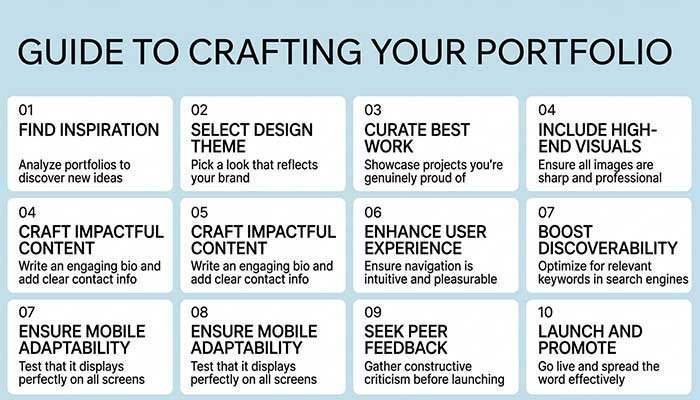
26. Show the Process, Not Just the Final Result
Clients love seeing your thinking — a quick before/after or a short breakdown of your approach builds more trust than a polished final image alone.
27. Include Real Outcomes When You Can
Numbers matter. “Increased email open rate by 22%” is far more convincing than “Wrote engaging email copy.”
28. Update Your Portfolio Every Time You Finish Great Work
Don’t wait until you “have time.” I let my portfolio go stale for almost a year once, and it directly slowed down the quality of leads I was getting.
Freelance Contract And Payment Security

This is the section I wish I’d taken seriously from day one — remember my story above?
29. Always Use a Written Contract, Even for Small Projects
A simple one-page agreement covering scope, payment terms, and revision limits protects you far more than a friendly email exchange ever will.
30. Set Milestone Payments for Larger Projects
Breaking a project into 2–3 payment milestones protects your cash flow and gives you a natural checkpoint to catch scope creep early.
Freelancing Mistakes To Avoid in 2026
A quick, no-fluff list of the mistakes I see most often (and made myself):
- Underpricing to “just get the job,” which attracts the wrong kind of client
- Skipping contracts because the client “seems nice”
- Saying yes to every project instead of protecting your niche focus
- Ignoring taxes until it becomes a stressful scramble
- Comparing your Month 2 to someone else’s Year 5
Does any of this sound familiar? If so, you’re not behind — you’re just at the part everyone goes through.
FAQ: Freelancing Tips For Beginners
1. How do I get my first freelance client with no experience?
Start with warm outreach — people who already know your work ethic, even informally. Offer a small, low-risk project or a discounted first gig to build your first testimonial.
2. What’s a fair starting rate for freelance beginners in 2026?
It varies heavily by skill and niche, so I can’t give you an exact number that applies to everyone. Research 3–5 freelancers in your niche with similar experience and price close to the lower-middle of that range, not the bottom.
3. Is it better to freelance on one platform or multiple?
Based on my own experience, focusing on one platform first helps you build momentum and understand its algorithm before spreading out. Expanding too early often dilutes your results.
4. How do I avoid getting scammed as a new freelancer?
Always use a written contract, request a deposit before starting work, and be cautious of clients who rush you into skipping these steps — that urgency itself is often a red flag.
5. How long does it take to become a full-time freelancer?
This depends entirely on your niche, effort, and starting network, so there’s no universal timeline. In my case, it took about a year of part-time freelancing before I felt confident going full-time.
Wrapping It Up
Freelancing isn’t a straight line — it’s proposals that go nowhere, clients who ghost you, and slow months that make you question everything. But it’s also the freedom to build something entirely your own, one client and one lesson at a time.
Martin’s Final Tip: Don’t wait until you feel “ready” to use a contract, set your rates properly, or reach out to a dream client. I waited, and it cost me real money and real stress. Start protecting your time and your work from day one — future you will thank you.
If this guide helped you see freelancing a little more clearly, I’d love to hear where you’re starting from. Drop a comment, share your biggest freelancing struggle, and let’s figure it out together.